The logistics and chemical transportation sector faces a significant bottleneck: the shortage of highly skilled personnel. TGL is actively addressing this gap through our specialized Professional Driver Program. This initiative is not just about teaching people how to drive heavy vehicles; it is about cultivating a new generation of experts capable of handling high-risk, high-precision cargo. By investing in human capital, we ensure that the transport of bulk chemicals and tank cleaning processes meet the highest safety standards in the industry.
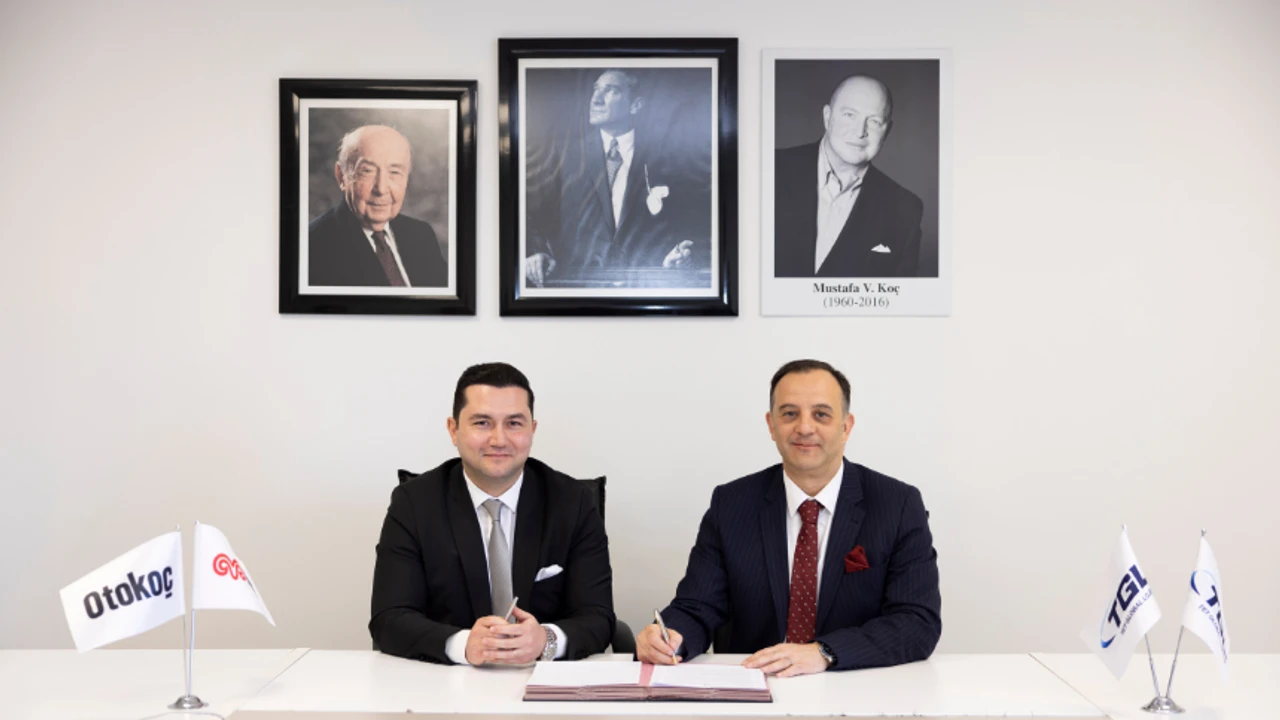
Our latest training cohort has officially begun their journey. These candidates were selected through a rigorous screening process designed to identify individuals with the discipline and technical aptitude required for chemical logistics. We don’t just provide a license; we provide a career path. The contracts signed with these participants ensure that as TGL trains qualified drivers for the industry, we are building a sustainable ecosystem of safety and reliability.
Candidates Selected for the Professional Driver Program
Finding the right talent is the most difficult part of our mission. We don’t look for people who simply want a job; we look for individuals who possess the mental resilience required for hazardous material transport. Our selection process involves psychological assessments, technical aptitude tests, and deep background checks to ensure every participant can handle the pressure of high-stakes logistics.
The current group of trainees represents a diverse range of backgrounds, yet they all share a common trait: a commitment to excellence. We analyzed over 200 applications to find the 25 candidates who best fit our rigorous standards. This careful curation ensures that the program remains elite and that the quality of the workforce we produce remains unmatched in the sector.
Rigorous psychological screening for high-stress environments.
Technical aptitude evaluation for heavy vehicle mechanics.
Comprehensive background and safety record verification.
Comprehensive Training Curriculum and Certification Processes
The curriculum is designed to be much more than a standard driving course. We integrate advanced chemical safety protocols, emergency response maneuvers, and precision maneuvering techniques. Every module is built around real-world scenarios that a driver might encounter when transporting volatile substances across international borders.

Certification is not granted simply by completing the hours. Our trainees must pass a series of practical and theoretical examinations that test their knowledge of ADR regulations, tank pressure management, and environmental protection. This rigorous certification process ensures that when we say TGL trains qualified drivers, the industry can trust the competence of every graduate.
Industry Impact: The Need for Qualified Drivers and TGL’s Vision
The global shortage of specialized drivers is driving up costs and increasing risks in the chemical supply chain. Without a steady stream of trained professionals, the movement of essential raw materials becomes unpredictable. TGL’s vision is to stabilize this supply chain by creating a predictable, high-quality talent pipeline that serves not just our company, but the entire industry.
We see this program as a long-term investment in infrastructure. By focusing on the human element, we reduce the frequency of accidents and environmental incidents. Our goal is to set a new benchmark where the driver is seen as a highly skilled technician—a vital component of the safety ecosystem rather than just a transport operator.
Methodology Applied During the Training Process
Our training methodology relies heavily on a “hands-on, high-stakes” approach. We combine classroom-based theoretical learning with intensive simulator sessions and real-vehicle maneuvers. This allows trainees to experience the physics of heavy liquid loads—such as the “sloshing effect”—in a controlled environment before they ever hit the highway with actual hazardous cargo.

We also emphasize the importance of digital literacy. Modern logistics relies on real-time telematics, GPS tracking, and digital documentation. Our drivers learn to use these tools to optimize routes and report safety incidents instantly. This integration of technology and manual skill is what makes our graduates uniquely prepared for the modern era of transport.
TGL Professional Driver Program Comparison Table
To understand the value of our specialized approach, it is helpful to compare our program with standard heavy-vehicle training. While standard courses focus on basic mobility, our program focuses on specialized chemical logistics competence.
| Feature | Standard Driving Course | TGL Professional Program |
|---|---|---|
| Focus Area | General heavy vehicle operation | High-risk chemical & bulk cargo |
| Safety Training | Basic road safety | Advanced ADR & hazardous response |
| Technology Integration | Minimal | High (Telematics & Digital Logs) |
| Career Path | General employment | Specialized industry career |
Building the Future of Logistics
The challenges of the chemical transport industry are growing, but so is our capacity to meet them. Through the continuous evolution of our training programs, we are ensuring that the next generation of drivers is ready for the complexities of 2026 and beyond. We invite industry partners and potential candidates to follow our progress as we continue to redefine what it means to be a professional driver.
If you are looking for more information on our upcoming training cohorts or wish to discuss partnership opportunities, please contact our recruitment and training department directly. Together, we can drive the industry toward a safer, more reliable future.