The logistics of dangerous goods requires a multi-layered safety protocol that sets it apart from standard freight transport. The international regulations underpinning these operations aim to minimise the risks that may arise during transport. A poorly planned shipment can lead not only to financial losses but also to environmental disasters and loss of life. Full compliance with the legislation at every stage of transport is therefore not a choice but a legal obligation.
Building a safe logistics network requires careful tracking from the classification of the substances to their arrival at the destination. Driver training, the vehicles' technical equipment and packaging standards are the most important links in this chain. To increase operational efficiency, every step must be auditable and traceable. A process managed with the right methods lowers operating costs while protecting the company's reputation.
How Is ADR-Compliant Dangerous Goods Transport Carried Out? Key Steps
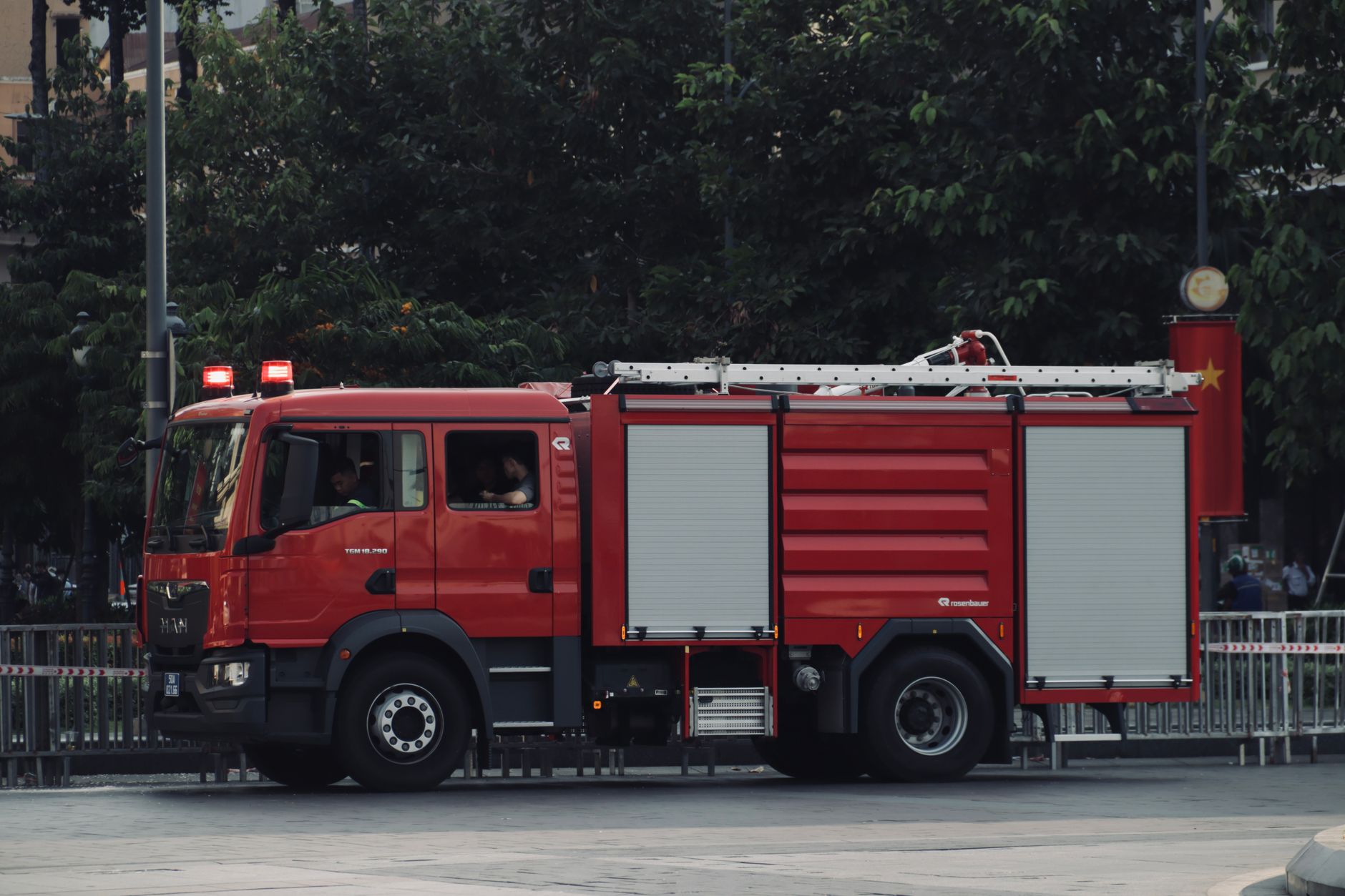
Photo: Tuan Vy — Pexels
For companies new to dangerous goods logistics, the process can seem complex. The first step is to correctly identify the UN number, class and packing group of the substance to be transported. Classification made without knowing the chemical properties of the substance invalidates all safety protocols. At this stage, the most accurate classification should be made with reference to the goods' Safety Data Sheets (MSDS).
Once classification is complete, the suitability of the transport unit must be checked. Each group of dangerous goods requires vehicles with a certain level of resistance. The vehicles' technical equipment, leak-tightness and fire-fighting equipment must be tailored to the risk profile of the substance carried. The answer to the question how is ADR-compliant dangerous goods transport carried out? lies in completing this technical preparation in full.
During loading, segregation rules are vital. Carrying substances that can react with each other in the same vehicle creates a major safety gap. Chemical compatibility tables must therefore be examined carefully when preparing the loading plan. The way packages are stacked, their resistance to vibration and the weight distribution inside the vehicle must be checked to prevent accidents.
Preparing Transport Documents and Legal Responsibilities
The most critical part of the legal process is the documents that must be in the vehicle during the shipment. Missing or incorrect transport documents lead to heavy sanctions during inspections. The transport document, the dangerous goods declaration and the drivers' ADR training certificates must be available for inspection at any time along the way. Keeping these documents up to date ensures the legal security of the operation.
Driver competence has the potential to be the weakest link in the process. Holding a driving licence is not enough; the driver must have an ADR training certificate and know the emergency procedures for the dangerous substance. Trained staff can limit damage by applying the right response techniques in the event of a leak or accident. This is of great importance for both the environment and public health.
Technical Standards and Equipment Requirements for Transport Vehicles

Photo: Rhys Moult — Unsplash
Vehicles used in dangerous goods transport must have technical features that differ from those of standard trucks. The chassis, tank structure or container unit must be resistant to the corrosive or flammable effects of the substance carried. The orange plates and labels showing the hazard classes on the vehicle must be visible to warn the surroundings and other drivers. The accuracy of these markings allows fire and rescue teams to respond correctly in an accident.
The list of equipment that must be kept in the vehicle is strictly defined by the regulations. Fire extinguishers, eye-wash stations, protective clothing and spill kits must be accessible and in working order at all times. The equipment must be serviced periodically before transport and the maintenance recorded. Unmaintained equipment may fail in a crisis and invite disaster.
Technical inspection of vehicles should not be limited to periodic tests. Before each shipment, the driver or operations manager should check the vehicle using a simple checklist. Every detail, from tyre pressures to the leak-tightness of the tank valves, must be examined. This disciplined approach is the most effective way to minimise operational risks.
What to Watch Out for During Loading and Stowage
Loading is one of the riskiest moments of a logistics operation. Packages must be secured so that they are not affected by vibration, and gaps inside the vehicle must be filled with suitable dunnage. In tank vehicles carrying liquids in particular, special measures must be taken to prevent the sloshing effect. Incorrect stowage can shift the vehicle's centre of gravity and increase the risk of rollover.
It must also be ensured that the labels on the packages are still legible after loading. Labels damaged by friction or moisture obscure the identity of the substance and create serious hazards. Verifying that each unit is packed and sealed in accordance with the standards strengthens the reliability of the shipment. The suitability of the equipment used in this process (forklifts, cranes, etc.) must also be checked.
Emergency Management and Post-Accident Procedures

Photo: Giu Vicente — Unsplash
In dangerous goods transport, the question is not “if” but “when”. It is essential to have a plan ready for every accident or leak scenario. The emergency plan must clearly define whom staff should notify, which safety areas to evacuate and which equipment to use. The plan must not remain on paper but be kept alive through regular drills.
In an accident, the first response must focus on stopping the spread into the environment. Using spill kits is a vital step to prevent the substance from entering drains or water sources. However, the most basic rule is that responders must not endanger their own safety. Personal protective equipment is mandatory for every employee on the response team.
The post-accident process is not limited to physical clean-up. The causes of the incident must be analysed, the necessary notifications made to the authorities and the process recorded in official reports. These analyses should be used as a learning opportunity to prevent similar incidents in the future. A transparent reporting process builds trust with regulators and allows operational errors to be corrected.
Risk Analysis and Continuous Improvement Strategies
Ensuring the safety of logistics processes is not a one-off task but a continuous cycle. Risk analysis must be updated periodically for every new group of substances or new route. Road routes, tunnel restrictions and weather conditions must always be taken into account during planning. Identifying risky points along the route helps drivers stay more alert.
Technological developments offer great opportunities to improve traceability in dangerous goods transport. GPS tracking systems, sensor technologies and digital cargo tracking software help keep every moment of the shipment under control. Integrating these technologies reduces operational errors and ensures that location and status information is sent instantly to head office in an accident. Digitalisation is an integral part of modern logistics management.
Finally, the corporate culture must be built around safety. All employees internalising the importance of safety procedures is worth more than the best technological system. A management approach that never compromises on safety standards not only ensures legal compliance but also lays the foundation for a sustainable and reputable logistics operation. A structure built on the triangle of training, inspection and technology makes dangerous goods transport a safe process.