Heavy cargo transport, one of the most technically and operationally demanding areas of logistics, covers the safe movement of equipment that exceeds the capacity of standard vehicles because it is enormous in volume or extremely heavy. It is not just the movement of goods: it requires engineering calculations, special road permits and multi-layered planning. Industrial machinery, wind turbine blades, transformers and large construction equipment are typical examples. The physical characteristics of the cargo determine the vehicle configuration and make it necessary to analyse the obstacles along the route.
For professionals, the answer to the question "what is heavy cargo transport?" is not limited to weight; it is a combination of risk management and logistics coordination. The main difference from standard container transport is that every shipment is a project in its own right. The cargo's centre of gravity, its dimensions and its sensitivity to environmental conditions set the key parameters of the plan. Such shipments should therefore be seen not as routine transport but as the execution of a detailed logistics project prepared in advance.
What Is Heavy Cargo Transport and What Does It Cover?
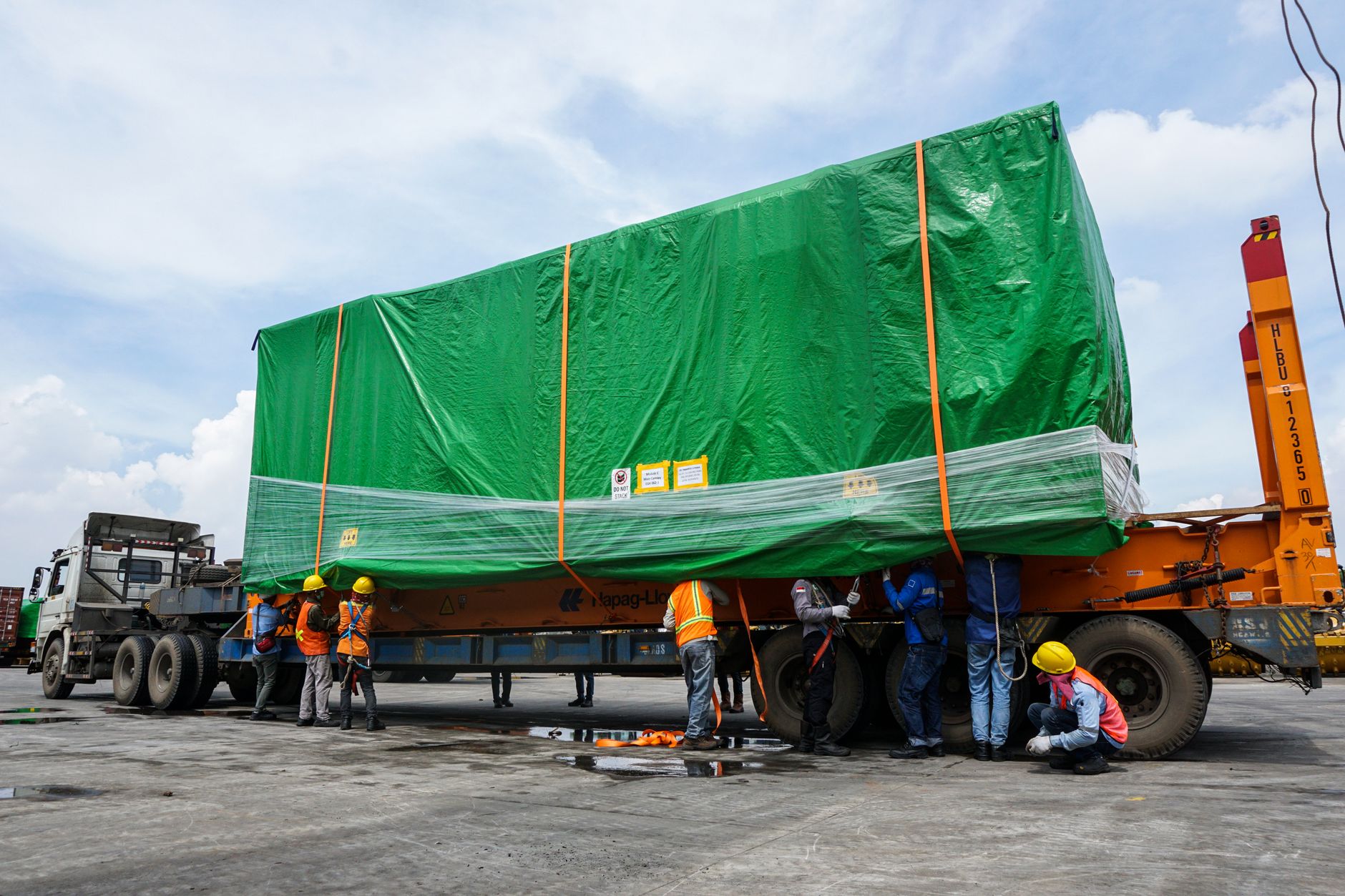
Photo: Aan Amrin — Pexels
Heavy cargo transport is a type of operation that pushes the limits of standard logistics vehicles and requires special equipment and expertise. These operations cover a wide range, often also referred to as "project cargo". Not only the weight of the material but also its width, height and length define the category. A bridge girder, for example, may not be very heavy, but because it is too wide for a standard road vehicle, it is classed as heavy cargo. This shows that logistics planning must be based not only on mass but also on geometry.
The scope of this type of transport spans a very wide industrial field, from mining equipment and power plant components to defence products and aviation parts. The success of the operation depends on identifying in advance all the physical obstacles (tunnels, underpasses, tight bends) the cargo may encounter on its way from origin to destination. The work covers not only transport but also loading, unloading, road preparation and sometimes temporary road construction. Every step must comply with international standards and local traffic regulations.
Another factor that deepens the answer is the variety of equipment used. Multi-axle trailer systems, hydraulic platforms, modular trailers and special tractor units are integral parts of the process. They are designed to spread the weight of the cargo evenly over the road and keep axle loads within legal limits. Equipment is selected on the basis of engineering calculations according to the cargo's centre of gravity and dimensions. The wrong choice can cause not only delays but also safety risks that may lead to serious injury and damage.
Main Types of Equipment Used in Heavy Cargo Transport
The cornerstone of such demanding shipments is the multi-axle modular trailer. These vehicles spread the weight over a larger area, preventing damage to the road and keeping the vehicle stable. For very heavy industrial parts, hydraulically steered platforms with adjustable height are used. This technology allows the vehicle's height to be changed dynamically to pass under obstacles such as tunnels or bridges.
Special securing devices, chains and high-strength tensioning systems used to keep the load stable are also a critical part of the operation. By restricting the cargo's movement completely, these systems keep it in place during vibration or sudden braking. Each securing point is calculated and applied by experts according to the cargo's centre of gravity and the structural strength of the material.
Planning and Route Analysis in Heavy Cargo Transport
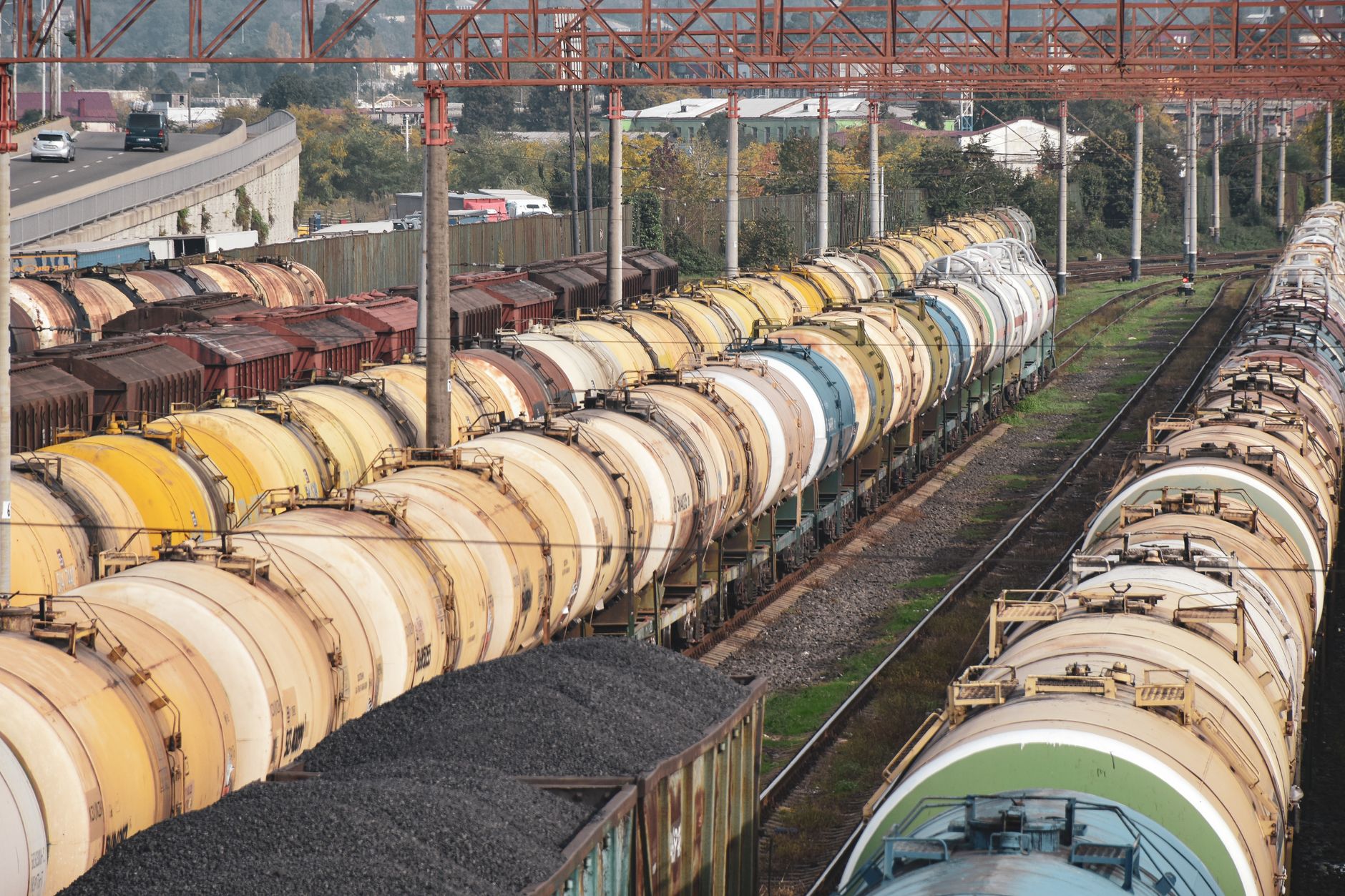
Photo: Artem Makarov — Pexels
A successful heavy cargo operation relies on meticulous preparation that starts at the desk long before the vehicle sets off. The first step is to document the physical characteristics of the cargo in full. Weight, dimensions, balance points and sensitivity form the basic data set for logistics planners. Based on this data, comprehensive simulations and site surveys are carried out on possible routes. Route analysis is an inspection process covering not only distance but every physical constraint along the way.
The main points checked during route analysis are:
- The load-bearing capacity of bridges and viaducts along the route.
- Height limits at tunnel entrances and the sag of overhead power lines.
- Sharp bends, roundabouts and narrow passages that restrict turning radius.
- Road surface condition and gradients on ascents and descents.
If an obstacle that standard vehicles cannot pass is identified, the logistics company develops alternative solutions, accepting extra costs and operational challenges. This may mean moving a utility pole or temporarily closing a road. Such interventions must be coordinated with local authorities and the relevant public bodies. The standards and permit procedures set by official bodies such as the General Directorate of Highways are the most important guides for keeping these processes on a legal footing.
The final link in planning is risk management. Plan B and C are prepared for scenarios such as weather, roadworks or unexpected technical failures. Wind speed in particular is one of the most critical risk factors for cargo with a large surface area, such as turbine blades. Protocols such as stopping the operation in very windy weather or moving the load to a safer location are applied under predefined safety instructions.
Legal Permits and Documentation
Heavy cargo transport is subject to much more intensive administrative control than standard freight. Oversized vehicles need special road-use permits from the relevant traffic authorities and municipalities. These permits specify the time windows, the route and the number of escort vehicles required. The slightest gap in the permits can see the vehicle stopped at border crossings or checkpoints and the operation disrupted.
Depending on the nature of the cargo, compliance with environmental and safety standards must also be documented. For loads containing dangerous goods or with high environmental sensitivity, conformity with international standards (such as ADR) and the required safety certificates must be in place. Checking that these documents are complete must be part of the engineering and logistics teams' pre-operation checklists.
Safety and Risk Management in Heavy Cargo Transport
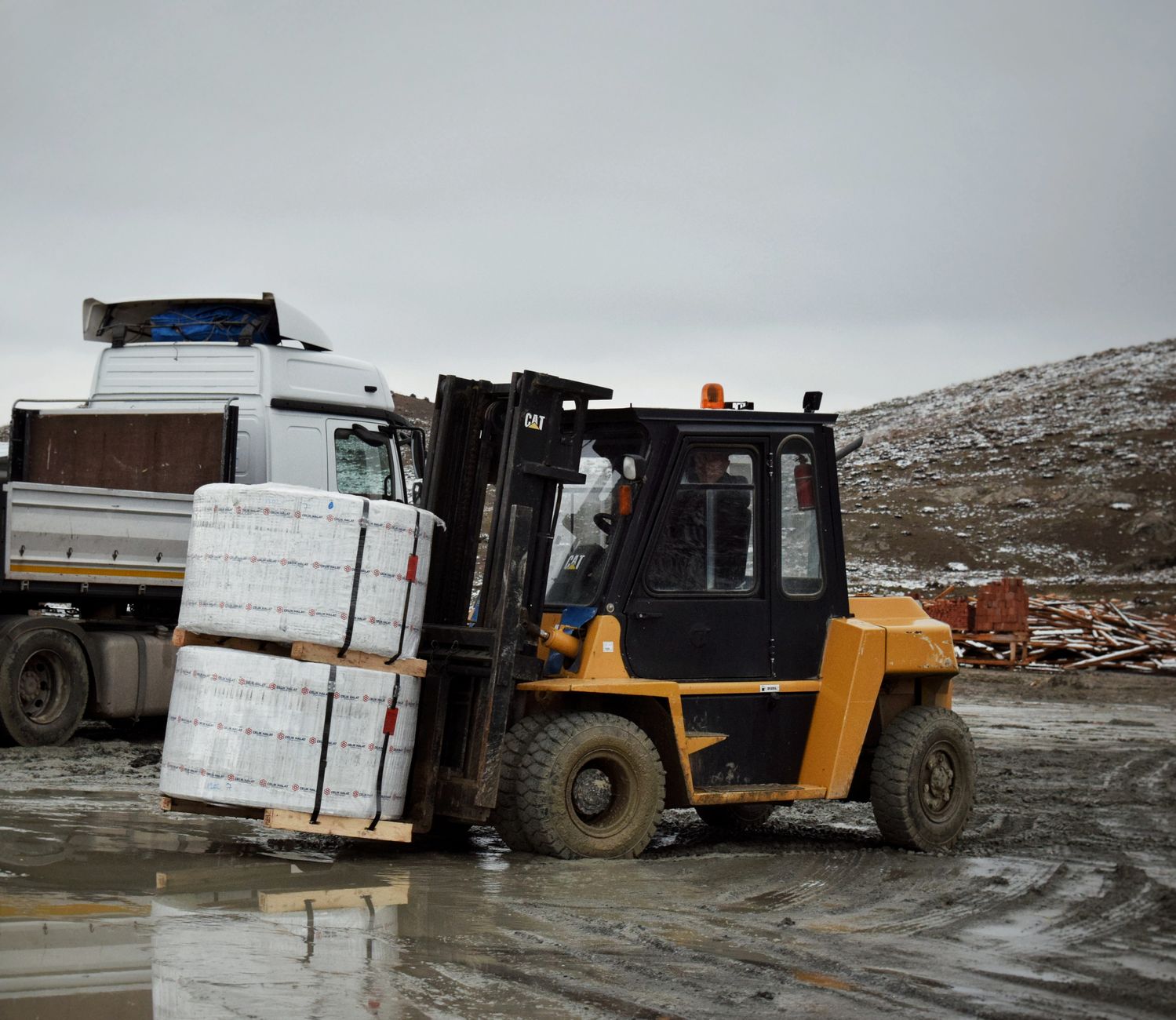
Photo: Berna — Pexels
Safety is the cornerstone of heavy cargo transport. The margin for error in these operations is almost zero, as a small deviation can cause huge equipment to overturn or damage infrastructure. Safety management aims to protect not only the crew but also other road users and nearby communities. Vehicles carrying heavy cargo are therefore usually accompanied by escort vehicles (lead and rear) moving along the planned route. The escorts check the road ahead, manage traffic and warn the main vehicle of possible obstacles.
Some of the critical methods applied for operational safety are:
- Calculating the cargo's centre of gravity (CoG) precisely to keep the trailer balanced.
- Periodically testing and certifying all lashing and connection equipment used in transport.
- Ensuring drivers and the operations team have received special training for the specific cargo type.
- Verifying ground stability and the capacity of lifting equipment during loading and unloading.
Risk management covers not only physical safety but also financial and operational risks. In large projects, the value of the cargo can run into millions of dollars. Comprehensive transit insurance with all risks defined in the policy is therefore vital. To keep damage assessments fast and transparent in the event of an accident, it is recommended that every stage of the operation be documented with digital records and visual evidence (photos, video).
Staff Training and Operational Competence
However advanced technology becomes, the human factor is still decisive in heavy cargo transport. Drivers need not only driving skills but also the ability to understand the dynamics of the load, read road conditions and make the right decisions in emergencies. Professional logistics companies therefore support their staff with regular simulator training and field practice. The operations team's ability to balance the physical limits of the load with the mechanical limits of the vehicle is the biggest factor in preventing accidents.
Certification of the crane operators and riggers involved in loading and unloading also directly affects the reliability of the operation. A wrong lifting technique or incorrect sling use can lead to disaster even with the most modern equipment. All site staff must therefore attend the short safety briefing known as a "toolbox talk" at the start of the operation and clearly understand the division of tasks.
Conclusion: The Future of Heavy Cargo Transport
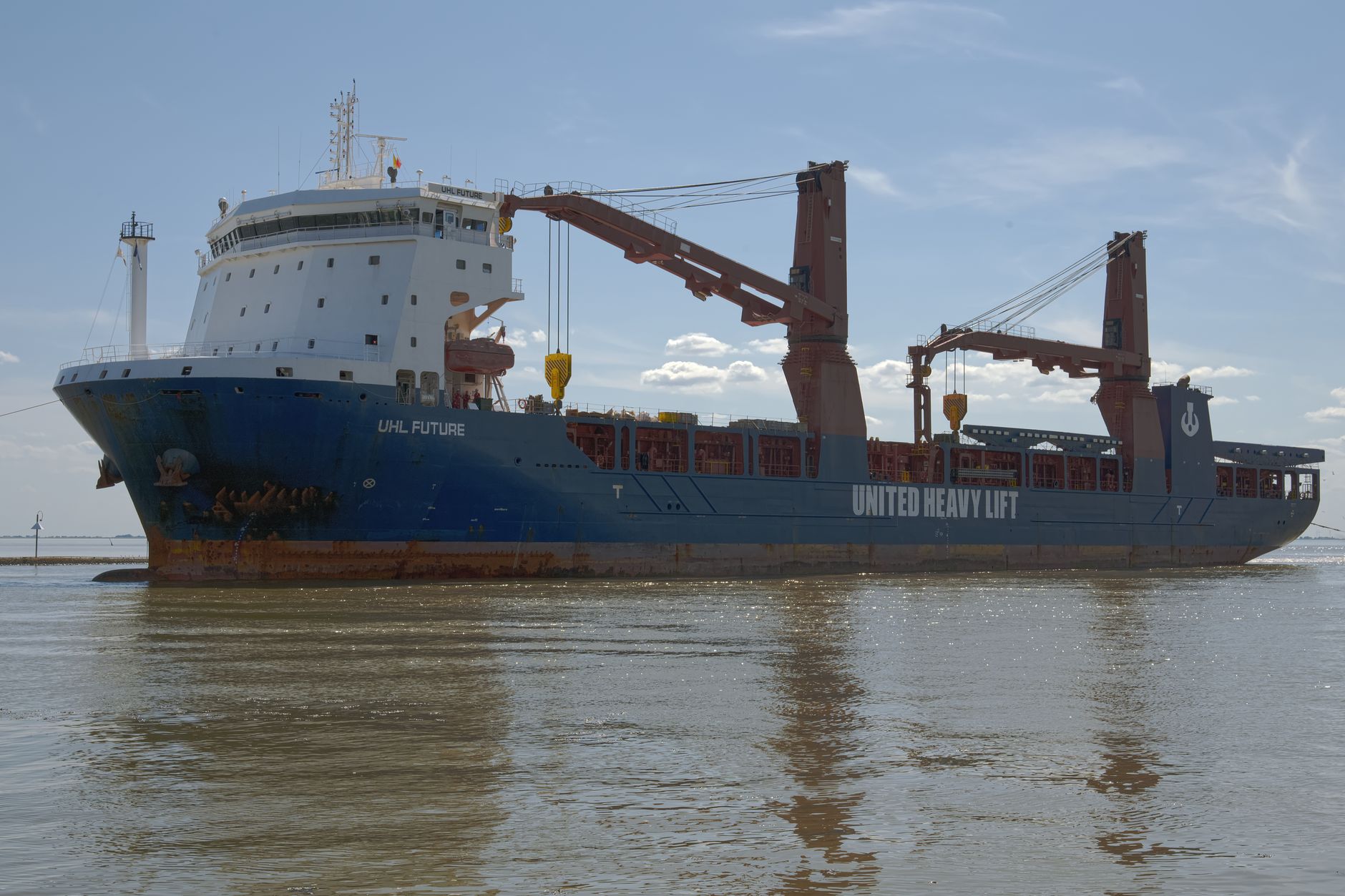
Photo: Andreas Hoffmann — Pexels
With industrial growth and global infrastructure projects, heavy cargo transport is becoming more complex every day. The growth of renewable energy brings new and challenging logistics needs, such as transporting huge wind turbine components. This is pushing logistics companies to develop more advanced engineering solutions and digital traceability systems. IoT (Internet of Things) sensors that track vibration, temperature and inclination along the route in real time are taking risk management to a new level.
In future, autonomous driving technologies and more advanced modular vehicles may reduce operational risks. Because of the complexity they bring, however, these advances will not eliminate the need for expertise and experienced people; on the contrary, they will require a more qualified workforce. Heavy cargo transport is a constantly evolving field that requires engineering, law, logistics and safety to work together in perfect harmony.