Logistics, a fundamental building block of modern trade, covers a product's entire journey from raw material to end consumer. Planning, executing and controlling this complex process is what we call logistics management. A well-designed system ensures not only that products are moved, but also that information, cost and time are optimised as efficiently as possible. How smoothly this flow is run is one of the main factors determining a company's competitiveness.
Process management is not limited to transport operations; it includes many sub-disciplines such as storage, stock control and order preparation. A company's success depends on its ability to meet customer expectations on time and in full. To achieve operational excellence, anyone asking what logistics is needs to understand the system as a whole. A structure built on the right strategies lowers costs while making customer satisfaction lasting.
What Is Logistics Management and What Are Its Main Components?

Photo: EqualStock IN — Pexels
Logistics management is a strategic discipline that ensures the products, services and related information an organisation needs to achieve its goals are available in the right quantity, at the right time and in the right place. It acts as a bridge from the supplier to production facilities, from there to distribution centres and finally to the customer. Managing risks along the way and using resources efficiently are its main aims. Effective planning identifies bottlenecks in advance and prevents operational disruptions.
Looking at the main components of logistics operations, critical areas such as storage and inventory management stand out. How long products stay in the warehouse, in what order they are shipped and how stock levels are maintained directly affect the whole cost structure. Inventory control, explored in more depth under what inventory management is, plays a vital role in keeping cash flow healthy. Wrong stock levels lead either to unnecessary costs or to lost sales because products are unavailable.
Another important component is the management of transport and distribution networks. The choice of transport mode – road, sea, air or rail – depends on the nature of the product and the delivery time. Route optimisation is very important for saving fuel and shortening delivery times. In this process, complying with the standards and regulations set by official bodies such as the Turkish Ministry of Transport and Infrastructure is part of ensuring operational continuity.
Differences Between Supply Chain and Logistics
Although the terms supply chain and logistics are often used interchangeably, they actually refer to different scopes. The supply chain is a broader umbrella covering all stakeholders, business partners and strategic decisions involved in turning raw materials into a finished product. Logistics is a sub-discipline within this chain that manages physical flows such as movement, storage and distribution. While the supply chain sets strategies, logistics makes them workable in the field.
The success of logistics processes depends directly on the overall health of the supply chain. If information does not flow in a supply chain, logistics operations are bound to falter. If a change in a production plan is not passed on to logistics immediately, for example, costly mistakes such as shipping the wrong products or leaving vehicles waiting empty can occur. Logistics management must therefore work as a dynamic, flexible part of the supply chain.
Strategies for Increasing Efficiency in Logistics Processes

Photo: Tiger Lily — Pexels
To lower operating costs and improve service quality, logistics processes need to focus on technology and data. In modern logistics management, real-time traceability is no longer a choice but a necessity. Vehicle tracking systems, warehouse management systems (WMS) and transport management systems (TMS) allow the status of every unit to be followed in real time. This transparency makes it possible to spot and correct errors quickly.
Another way to increase efficiency is to standardise processes. Having a set protocol for every shipment or storage operation minimises the margin for error. Handling operations in particular – see cargo handling in logistics – must be planned carefully so that products are not damaged during physical movement. Correct packaging, correct stacking and standardised loading techniques reduce product damage and lower return costs.
A continuous improvement (Kaizen) approach should also be an integral part of logistics management. Analysing existing routes, updating warehouse layouts and training staff bring major savings in the long term. Setting up data-driven decision-making and learning from past performance makes future operations more predictable. This creates a more resilient structure in the face of unexpected surges in demand or supply disruptions.
Key Points in Warehouse Management
Warehouse management is considered the heart of logistics operations. For a warehouse to work efficiently, every step from goods in to goods out must be traceable. The warehouse layout should be organised according to how often products move (ABC analysis). Placing the fastest-moving products closest to the dispatch area directly reduces staff walking time and increases operational speed.
Accuracy standards in the warehouse are critical for preventing inventory loss. Barcode or RFID technology eliminates manual errors and maximises stock accuracy. Safety measures and occupational health standards in the warehouse must not be neglected either, as they protect both employees and product integrity. Regular counts and stock control cycles close the gap between the figures on paper and the physical stock.
Challenges in Logistics Management and How to Overcome Them
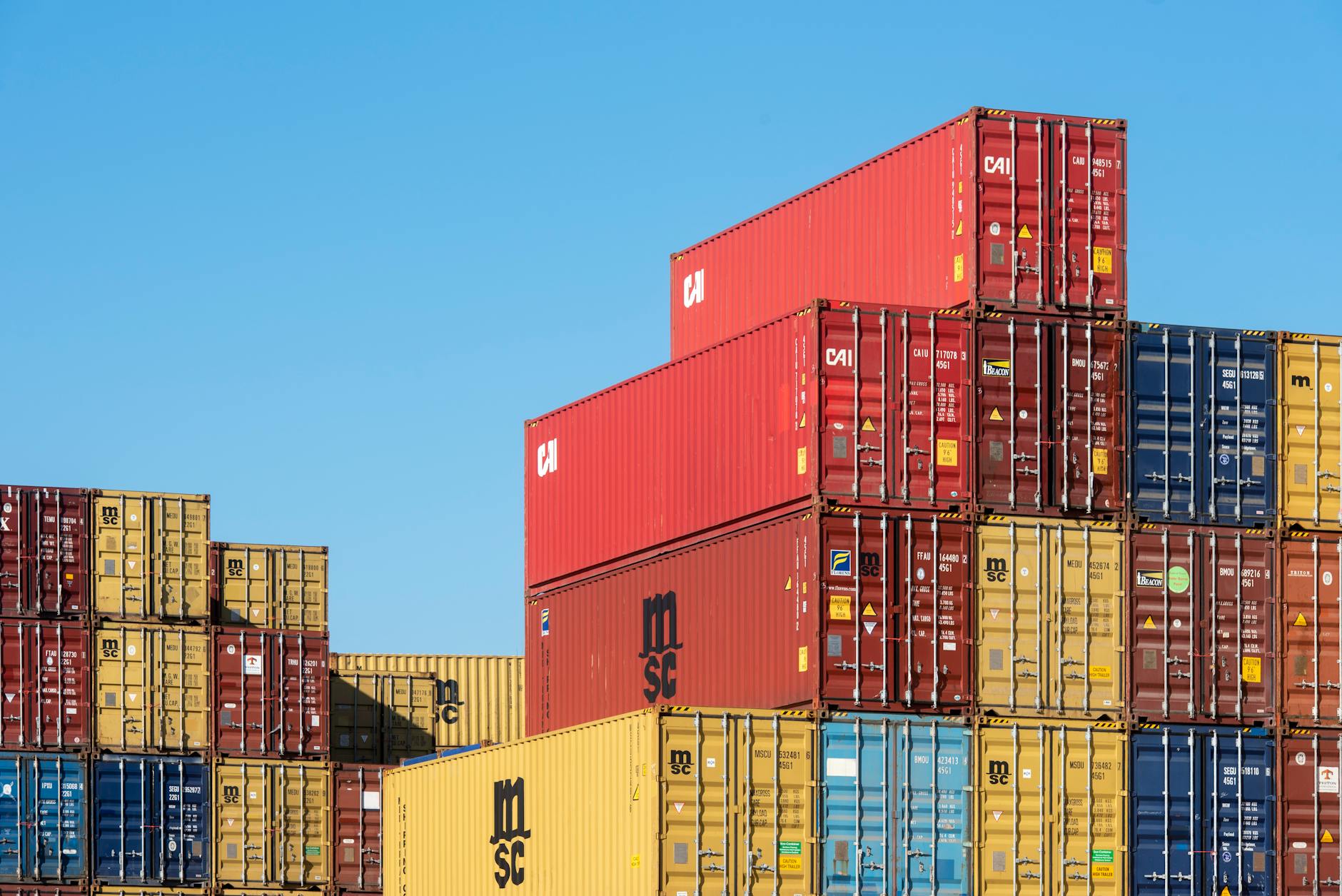
Photo: Jan van der Wolf — Pexels
The complexity of global trade constantly presents logistics managers with new challenges. Changes in customs legislation, disruptions on international routes and fluctuating fuel prices can push operating costs to unpredictable levels. The most effective response is flexible planning with alternative routes and suppliers. Depending on a single transport mode or supplier can bring operations to a halt in a crisis.
Rising customer expectations are another major challenge. Today's consumers expect much shorter delivery times and the ability to track their orders at any moment. Meeting these expectations requires optimising last-mile delivery. Heavy urban traffic and complex delivery points make this one of the most costly and difficult stages. Innovative approaches such as micro-distribution centres and electric vehicles offer modern solutions.
Finally, sustainability and reducing the carbon footprint are among the biggest pressures on the logistics sector. Environmental regulations are pushing companies towards greener logistics solutions. Reducing empty miles, using more environmentally friendly packaging and designing energy-efficient warehouses benefit the environment and bring legal compliance and cost advantages in the long term. A sustainable logistics model is not just a social responsibility project but a strategy that sets the trading standards of the future.