
In the complex structure of global trade, coordinating every stage a product passes through from raw material to end consumer plays a vital role. The discipline that focuses on these processes as a whole directly affects operational efficiency and cost control. How smoothly this flow can be managed is one of the main factors determining a company's competitiveness. A well-designed structure protects not only product delivery but also customer satisfaction and brand reputation.
Many professionals asking what supply chain management is in order to optimise their operations are really looking for a strategy. The concept is a multi-dimensional umbrella covering not only the movement of goods but also information flows, financial processes and supplier relationships. Every step – from sourcing raw materials and processing on the production line to storage and distribution – is a link in an interconnected chain. A disruption in one link can bring the whole system to a halt or cause costs to rise uncontrollably.
Main Components and Mechanics of Supply Chain Management

Photo: Tiger Lily — Pexels
For processes to run smoothly, planning, execution and monitoring must be carried out at the same time. The first stage, planning, involves forecasting demand and allocating resources accordingly. If demand is forecast wrongly, either excess stock builds up or sales are lost because products are unavailable. Optimising stock levels through data-driven analysis is therefore a basic requirement for sustainable operations. Having the right quantity of the right product in the right place at the right time is the core aim of this mechanism.
The second stage, execution, covers the management of physical movements. This is where sub-disciplines such as logistics, storage and inventory control come in. Product placement in warehouses, packaging standards and shipping routes all directly affect costs. Understanding what inventory management in logistics is is a critical step towards greater efficiency at this stage, because well-managed inventory protects cash flow and minimises warehouse costs.
The third stage is monitoring and control. Actual operations must be compared against target key performance indicators (KPIs). Metrics such as delivery times, damage-free rates and supplier performance scores help identify bottlenecks in the system. Restructuring processes and learning from mistakes with a continuous improvement (Kaizen) approach brings long-term success. Transparency in monitoring ensures that all stakeholders rely on the same data.
Data Management and Technology in Supply Chain Processes
In modern trade, data has become as valuable an asset as raw materials. Digitalisation has made it possible to track data from every stage of the supply chain in real time. IoT (Internet of Things) devices, RFID tags and cloud-based systems allow product movements to be monitored as they happen. This technological infrastructure not only increases traceability but also makes it possible to anticipate potential risks.
Data-driven decision-making reduces uncertainty and increases operational agility. If it can be predicted that a shipment will be delayed, for example, alternative routes or suppliers can be brought in quickly, preventing problems on the customer side. AI-supported forecasting models can analyse past sales data and seasonal cycles to determine future stock needs with high accuracy. Technology simplifies complex processes and minimises human error.
Strategic Planning and Risk Management Approaches

Photo: Sasun Bughdaryan — Unsplash
Supply chain strategies must be aligned with the company's overall goals. A balance must be struck between a cost-driven strategy and a service-level-driven one. If a company puts the "lowest cost" principle at the centre, delivery times may get longer or product quality may fall. Conversely, promising very fast delivery can push logistics costs up excessively. Strategic planning should therefore be shaped by market expectations and the company's financial capacity.
Risk management is one of the least discussed yet most critical areas of the supply chain. External factors such as natural disasters, political tensions, port strikes or economic fluctuations can interrupt supply. A strong risk management plan includes reducing dependence on a single supplier (multi-sourcing) and creating back-up scenarios. Periodic checks of suppliers' financial health also belong here. Reducing the fragility of the supply chain keeps operations running in times of crisis.
Supplier relationship management (SRM) is an integral part of strategic planning. Seeing suppliers not merely as vendors but as partners in the value chain strengthens long-term cooperation. Transparent communication, fair trading terms and shared development goals increase the resilience of the supply chain. Building a high-quality supplier ecosystem contributes directly to consistent product quality and fewer process errors.
Metrics That Increase Efficiency in Supply Chain Management
The metrics used to measure success show where operations can be improved. The following key indicators are frequently used to assess the health of a supply chain:
- Order fill rate: Measures how many customer orders are fulfilled in full and on time.
- Cycle time: The total time from receiving an order to delivering it.
- Inventory turnover: Shows how many times inventory is replenished in a given period, analysing capital efficiency.
- Supplier defect rate: Checks whether incoming products meet quality standards and monitors supplier performance.
Tracking these metrics is necessary not only for reporting on the past but also for making strategic decisions about the future. A fall in inventory turnover, for example, points either to falling demand or to excess stock building up; either way, management action is needed. Analysing data regularly increases a company's agility and allows it to adapt quickly to changing market conditions.
Sustainable Supply Chains and Future Trends
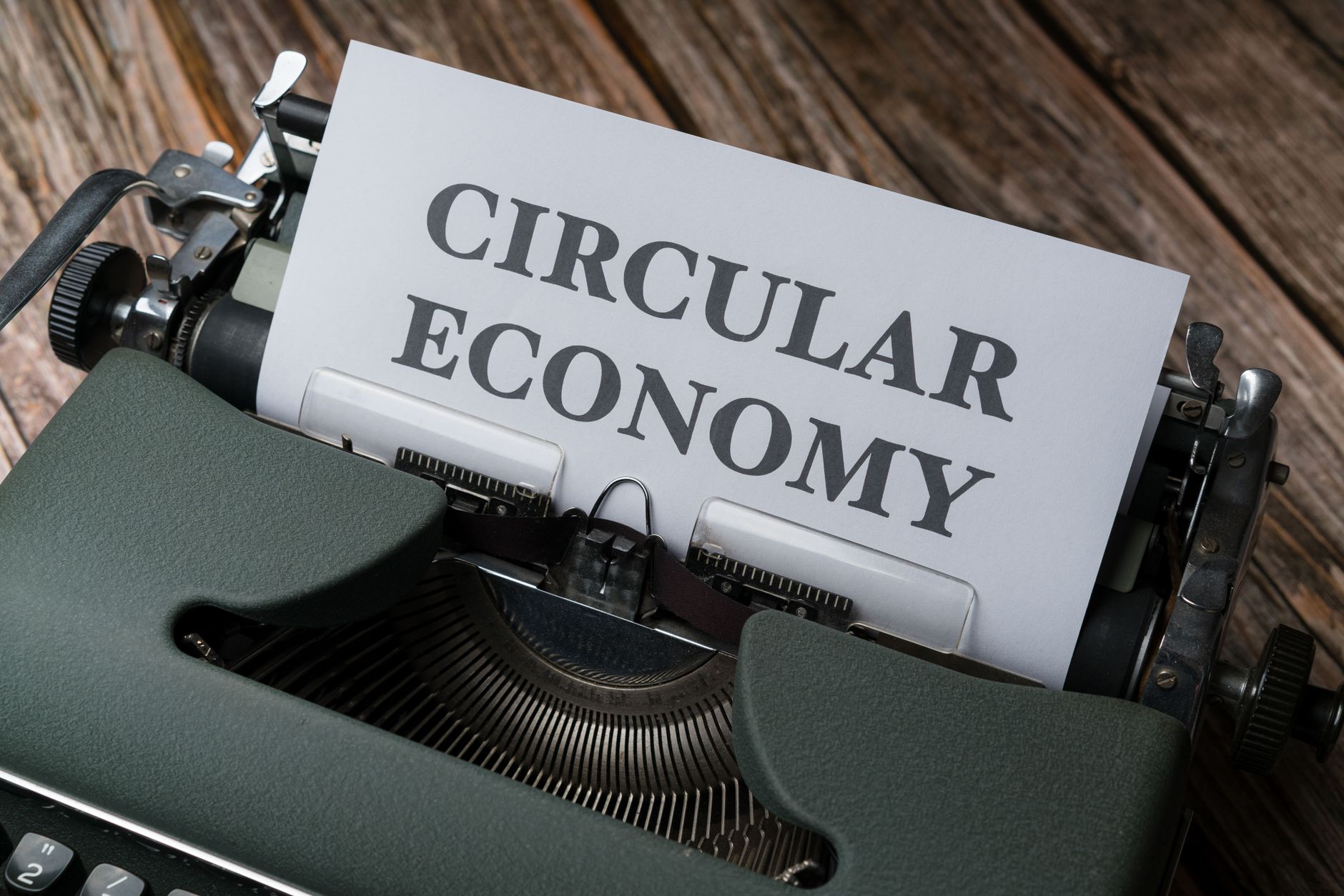
Photo: Markus Winkler — Pexels
Today, supply chain management has evolved from a purely logistics- and cost-driven process to one with environmental and social responsibilities. Sustainability is no longer a choice but a requirement of global standards. Choosing shorter transport routes to reduce the carbon footprint, using environmentally friendly packaging and energy-efficient storage solutions are at the heart of modern strategies. Consumers are increasingly asking whether ethical and environmental standards are respected in the way products are made.
Circular economy models are fundamentally changing supply chain design. Recycling or reusing products at the end of their life reduces the need for raw materials and increases resource efficiency. This makes reverse logistics more important: collecting, sorting and returning products to the system saves costs and minimises environmental impact. This transformation requires all supply chain stakeholders to rethink their processes.
The supply chain of the future will be more autonomous, more transparent and more resilient. Blockchain technology can remove issues of trust by recording every transaction in the supply chain immutably and transparently. It is revolutionary for sectors that need to prove a product's provenance. In many areas, from food safety to luxury goods, being able to verify a product's journey will strengthen brand value and credibility.
Finally, the role of people in these processes is also changing. While automation and artificial intelligence take over routine work, supply chain professionals need to focus on higher-level skills such as strategic analysis, risk management and relationship management. Continuous learning and stronger digital skills are the key to success in this dynamic ecosystem. Complying with the standards of bodies such as ISO, which set international standards, is indispensable for competing in the global market.


